

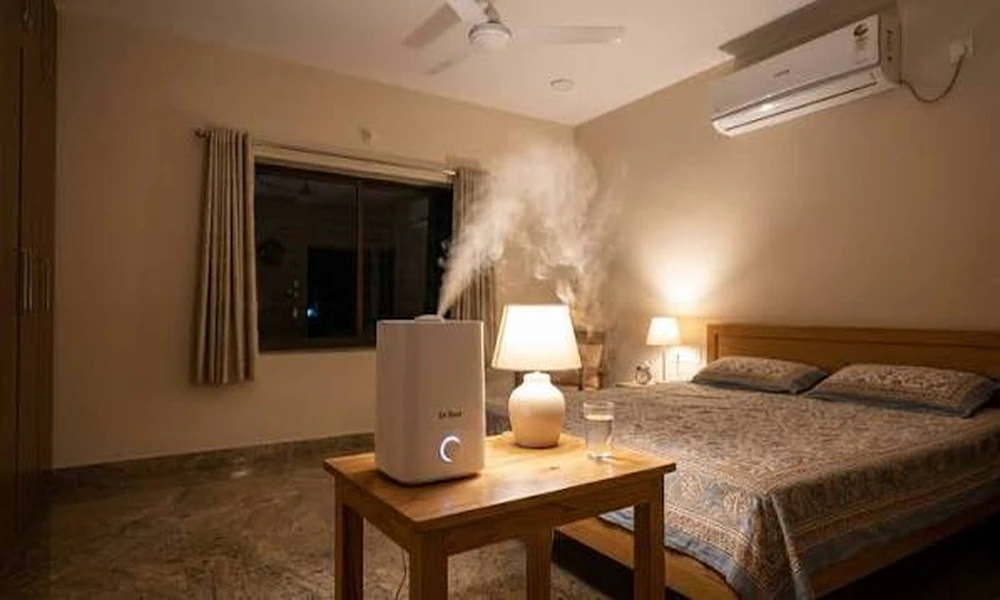
Dry Air Problems Compound Fast in Tight Spaces
A bedroom that runs dry overnight doesn’t just feel uncomfortable, it chips away at sleep quality, skin condition, and respiratory health one night at a time. Left unaddressed, chronically low humidity irritates sinuses, cracks wood furniture and trim, and makes winter colds linger longer than they should. Small rooms are especially vulnerable because heating and air conditioning systems cycle fast in confined spaces, pulling moisture out of the air faster than larger rooms experience. Ignoring the issue rarely resolves itself; it tends to get worse as seasons change and indoor heating ramps up.
Many people wait until symptoms show up, cracked lips, static shocks, a scratchy throat in the morning, before considering a fix. By then, the dry air has already been working against them for weeks. Addressing it early with the right equipment prevents a lot of discomfort and protects things in the room that are sensitive to moisture swings, including musical instruments, houseplants, and wood flooring.
Comparing Cool Mist, Warm Mist, and Ultrasonic Units for Compact Rooms
Cool mist humidifiers are the most common choice for small spaces because they’re generally safer around children and pets, with no heating element that could cause burns. They tend to use evaporative wicking or impeller technology, pushing moisture into the air without warming it first. The tradeoff is that some models can feel noisier than warm mist counterparts, which matters more in a small bedroom where sound carries and sleep is a priority.
Warm mist units heat water before releasing it as vapor, which can help kill some bacteria and mold spores in the tank, and many people find the subtle warmth comforting in colder months. Ultrasonic models have become popular for small rooms specifically because they run nearly silent and use vibration rather than heat or fans to disperse moisture. If you’re shopping based on noise level and energy efficiency, a dedicated small room humidifier built for tighter square footage usually offers a better match between output and room size than a general-purpose unit scaled down.
Evaporative humidifiers, which pull air through a moistened wick or filter, are worth mentioning too. They self-regulate somewhat, since the drier the air, the faster they evaporate water, which keeps humidity from overshooting into uncomfortable or mold-friendly territory. They do require more frequent filter changes, which adds a maintenance step some buyers overlook when comparing upfront cost against long-term upkeep.
Matching Tank Size, Noise Level, and Upkeep to Your Room’s Actual Needs
Picking a humidifier for a small room isn’t just about finding the smallest box on the shelf. Tank capacity matters because a unit that’s too small will need refilling multiple times a day, which gets tedious fast and often means the unit runs dry overnight when it matters most. A tank that holds enough water for eight to twelve hours of continuous operation tends to strike the right balance for a bedroom or home office without taking up excessive counter or floor space.
Noise output deserves just as much attention, particularly for units placed near a bed or a desk where concentration is needed. Decibel ratings vary widely between models, and a difference of even a few decibels can be the gap between a barely noticeable hum and a distracting whir that interrupts sleep or focus. Checking the manufacturer’s listed noise level, rather than relying on marketing language like ‘quiet operation,’ gives a more honest picture of what to expect.
Every humidifier, regardless of type, requires cleaning, and how often you’re willing to do that should shape which model you buy. Ultrasonic and cool mist units can develop mineral buildup or bacterial growth if left unwashed for more than a few days, especially with hard water. Someone who forgets maintenance tasks easily might lean toward a model with a wider opening for easy cleaning or fewer removable parts. Replacement filters and descaling solutions add up over a heating season, so a slightly pricier unit with a washable filter can cost less over a year than a cheaper model needing monthly replacements.
Runtime and auto shut-off features also factor into the decision, since a humidifier that keeps running after the tank empties can damage its own components or dry out and crack. Humidity sensors that automatically adjust output based on real-time readings prevent overcorrection, keeping the room in a comfortable range instead of swinging between too dry and too damp. Thinking honestly about how much upkeep you’ll actually do, paired with the room’s size and your tolerance for noise, points most people toward a model that fits their routine rather than an idealized one.
