

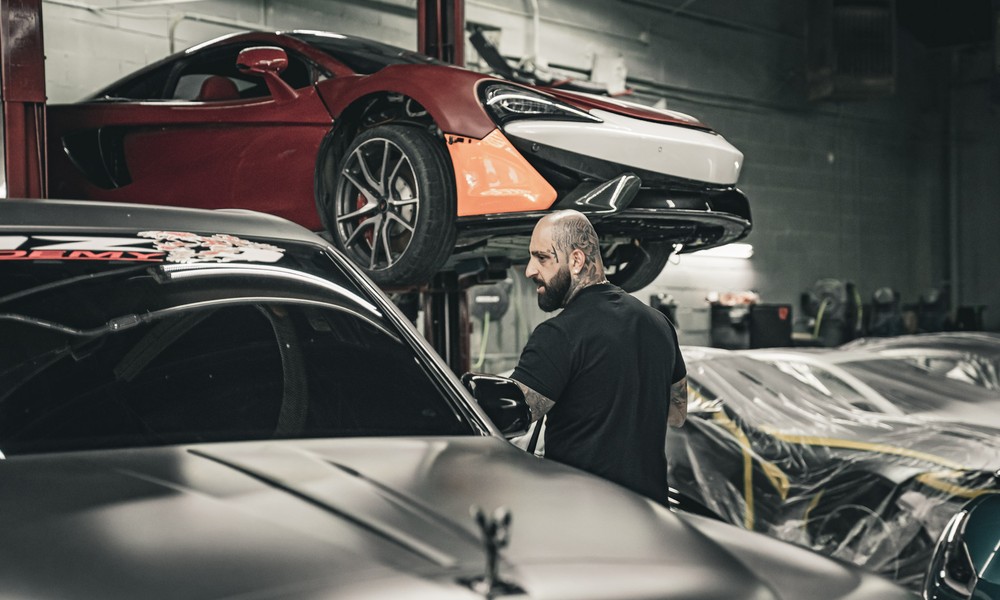
A great vehicle upgrade begins long before any part reaches the shop floor. Skilled specialists know that every car, truck, or SUV has its own shape, purpose, and owner expectations. Because of that, they take time to study each detail before they recommend a change.
A careful start helps create a smooth result that feels natural and looks refined. It also allows the expert to match style, comfort, and function with the owner’s daily use. This article explains the key steps professionals take before they begin any upgrade.
They Listen to the Owner’s Vision First
Vehicle customization experts start with a clear conversation. They ask the owner what they want to improve, how they use the vehicle, and what kind of finish they prefer. This step helps them turn a general idea into a practical upgrade plan.
For example, a client may want a cleaner cabin, a sharper exterior, or better protection for high-use areas. A design like Auto Trim Design shows how planning can support a polished and personal result. With the right questions, experts learn what matters most before they suggest materials or design options.
Inspect the Vehicle from Every Angle
After the first discussion, professionals examine the vehicle closely. They check the body lines, interior surfaces, factory trim, seating layout, and current condition. This review helps them see how the proposed upgrade will fit with the existing design.
They also look for small details that could affect the final result. A curved panel, tight corner, worn surface, or uneven edge can change the way a material sits. By spotting these details early, experts protect the quality of the project from the start.
Match Materials with Use and Style
The right material can make an upgrade look better and last longer. Professionals compare texture, thickness, color, finish, and care needs before they make a final choice. They also think about how the owner uses the vehicle each day.
During this stage, experts may review:
- Surface fit: They choose materials that suit the shape and movement of each area.
- Color balance: They select tones that blend with the cabin or exterior.
- Daily use: They consider wear, comfort, cleaning, and exposure.
- Finish quality: They check how light, grain, and texture will appear after installation.
This careful selection process keeps the upgrade from feeling random. Instead, it helps the final work feel planned, balanced, and connected to the vehicle’s original character.
Create a Clear Upgrade Plan
Before any work begins, customization experts prepare a step-by-step plan. They decide which areas need attention first and which tools, parts, or materials the job requires. This planning stage keeps the project organized and helps everyone understand the expected result.
They also review measurements with care. A few small adjustments can make a large difference in fit and finish. When experts plan with precision, they reduce guesswork and create a cleaner path from concept to completion.
Confirm the Final Look Before Work Starts
Professionals do not rush into an upgrade after the first idea sounds good. They confirm the selected style, material, color, and layout with the owner before the actual work begins. This final review gives the owner confidence and allows the expert to make any needed refinements.
At this point, specialists may share samples, sketches, or visual references to explain the expected outcome. Designs such as Auto Trim Design show how the right design choices, accents, and interior details can shape a clean and personalized finish. This final check keeps the project aligned with the owner’s taste and the vehicle’s design.
Vehicle customization experts rely on preparation because every successful upgrade needs care, skill, and clear direction. They listen, inspect, compare, plan, and confirm each detail before they begin the hands-on work. With this thoughtful process, they create upgrades that feel intentional, refined, and well-suited to the vehicle.
