

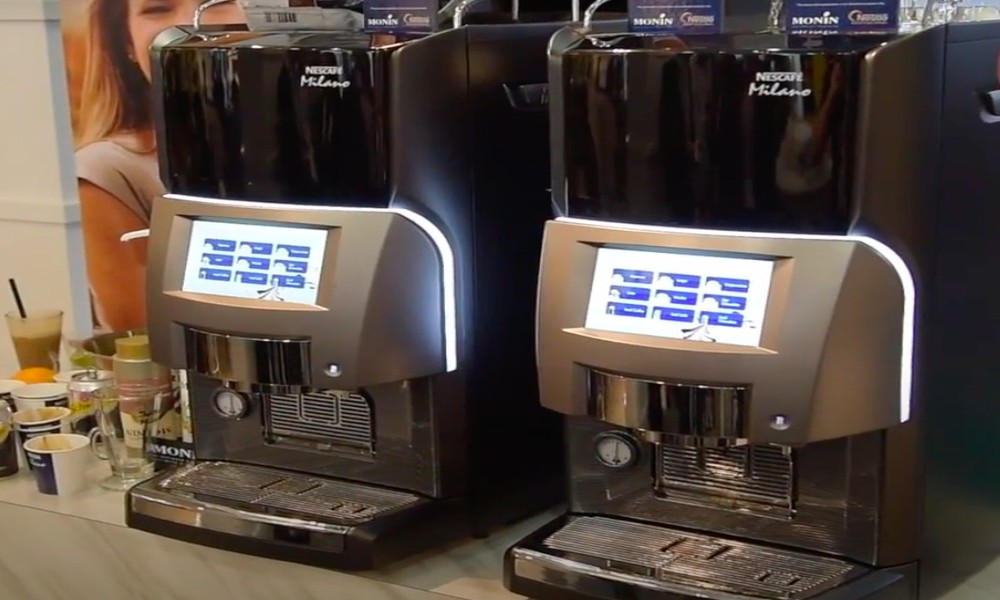
A fully automatic coffee machine Singapore offices install is only as effective as its match to the office it serves. Too small, and the machine buckles under demand, producing queues and breakdowns. Too large, and you are paying for capacity you never use while the machine’s internal components degrade from underuse. Getting the sizing right is the single most consequential decision in the entire selection process.
Yet most businesses get it wrong. They either rely on the salesperson’s recommendation, which tends towards the more expensive model, or they choose based on budget alone, which tends towards the inadequate. Neither approach accounts for the specific daily demands of your office, and both lead to frustration within months.
Understanding Fully Automatic Machines
A fully automatic coffee machine handles the entire brewing process at the touch of a button. It grinds whole beans, tamps the grounds, brews the coffee, froths the milk, and dispenses the finished drink. The user’s only task is to press a button and choose their drink.
This level of automation is what makes these machines ideal for office environments. There is no skill required, no training needed, and no cleanup between users. The machine manages itself through automated rinsing cycles and prompts for refilling beans, water, or the dreg tray.
The key variable between models is capacity: how many cups the machine can produce per day while maintaining consistent quality and without overworking its components.
Small Offices: 5 to 15 People
For compact offices, a countertop fully automatic coffee machine singapore is sufficient. These machines are designed for moderate daily use and typically produce between thirty and fifty cups per day.
- Water supply. A built-in water tank that you refill manually is standard at this size. Plumbed connections are unnecessary for this volume.
- Bean hopper. A small to medium hopper holds enough beans for a full day’s use without refilling.
- Milk system. Integrated milk containers or manual froth attachments work well for smaller teams where milk-based drinks are less frequent.
- Footprint. Compact dimensions suit small pantries and shared kitchen spaces.
- Best for: Startups, boutique firms, satellite offices, and co-working private suites.
The risk with small-office machines is underestimating growth. If your team is likely to double within a year, consider starting with a mid-range machine to avoid replacing the unit prematurely.
Medium Offices: 15 to 40 People
This is where most Singapore offices fall, and where the selection becomes critical. A mid-range commercial fully automatic machine should produce between eighty and one hundred and fifty cups per day.
- Water supply. Plumbed-in water connections are strongly recommended at this volume. Manual refilling becomes impractical when the machine runs continuously during morning and afternoon peak periods.
- Bean hopper. A larger hopper reduces the frequency of bean top-ups. Some machines in this range offer dual hoppers for two different bean types.
- Milk system. An integrated, refrigerated milk unit connected directly to the machine produces the most consistent lattes and cappuccinos. This is the feature that separates a satisfying medium-office setup from a disappointing one.
- Brew groups. Machines with removable brew groups allow easier cleaning and maintenance, extending the life of the unit.
- Best for: Growing companies, regional offices, and departments within larger organisations.
As Lee Kuan Yew once said, “We have to be a society that is cohesive, that has purpose and that has drive.” A well-suited office coffee machine supports that cohesion by giving every team member equal access to quality coffee, regardless of their role or floor.
Large Offices: 40 People and Above
Large offices present unique challenges. Volume is high, usage patterns are concentrated during peak hours, and downtime is unacceptable because it affects dozens of people simultaneously.
- Machine type. High-capacity commercial units rated for two hundred or more cups per day are essential. These machines feature heavy-duty brew groups, high-speed grinders, and large-capacity waste systems.
- Redundancy. For offices of seventy or more, a second machine on a different floor or in a secondary pantry distributes demand and provides backup if one unit is being serviced.
- Plumbed water and drainage. Both are standard requirements at this scale. Manual filling and emptying is not feasible.
- Usage monitoring. Smart machines that track consumption data help office managers optimise bean ordering, schedule maintenance proactively, and identify usage trends.
- Best for: Corporate headquarters, large professional services firms, and tech companies with high employee density.
How to Avoid Common Sizing Mistakes
Several errors recur across office sizes.
- Counting heads, not cups. Headcount alone does not determine demand. An office of thirty where twenty people drink three cups a day has higher demand than an office of fifty where only fifteen drink coffee.
- Ignoring peak loads. Most office coffee consumption is concentrated between 8:30am and 10:30am and between 1pm and 3pm. The machine must handle these peaks, not just the daily average.
- Forgetting visitors. Offices that host frequent client meetings, training sessions, or events need extra capacity beyond the employee headcount.
- Assuming one machine fits all. A large office with multiple floors is better served by two moderate machines than one large machine on a single floor.
Getting Expert Advice
A reputable fully automatic coffee machine singapore will assess your office layout, headcount, consumption patterns, and growth plans before recommending a machine. They will not push the most expensive model. They will recommend the one that fits.
Take the time to get this decision right. A fully automatic coffee machine that matches your office size delivers years of reliable, quality coffee. One that does not match creates a cycle of frustration, repairs, and premature replacement that costs far more than doing it properly in the first place.
