

Key Takeaways
- A golf simulator functions as both a structured training tool and a controlled entertainment environment.
- A private golf simulator enhances focus, consistency, and data-driven improvement.
- Entertainment features increase usage frequency but may dilute practice quality if unmanaged.
- The value depends on how the user balances performance tracking with casual play.
Introduction
The modern golf simulator sits at the intersection of sport and leisure. Originally built for off-season practice, it has evolved into a multi-purpose space used for training, socialising, and even corporate events. The question is no longer whether it works, but how it is used. For instance, for serious players, it is a data-driven training system. Meanwhile, for casual users, it is an accessible and engaging form of entertainment. A private golf simulator adds another layer by offering a controlled environment tailored to specific goals. The distinction between tool and leisure space depends less on the technology and more on user intent.
As a Training Tool
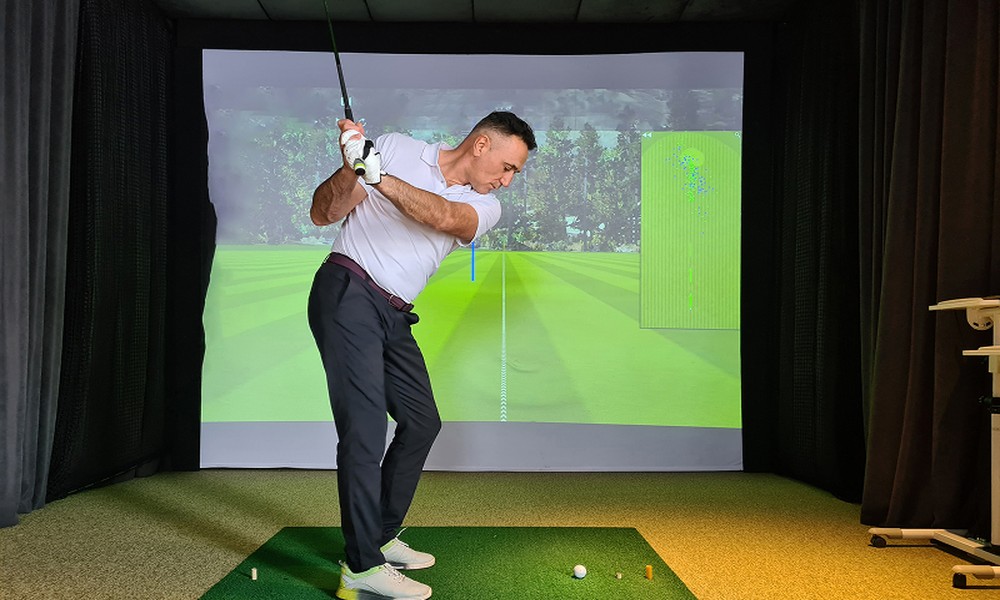
From a performance standpoint, a golf simulator provides measurable feedback that is difficult to achieve consistently on a physical range. Metrics such as ball speed, launch angle, spin rate, and club path allow players to analyse swings in real time. This approach makes it a practical environment for structured improvement. Unlike outdoor practice, conditions are stable, eliminating variables such as wind or uneven lies.
A private golf simulator strengthens this advantage by removing distractions. Players can follow a disciplined routine without waiting for bays or dealing with external noise. This consistency supports deliberate practice, where repetition is tied directly to measurable outcomes. That said, for coaches and serious golfers, this environment allows targeted correction rather than generalised hitting. Over time, the ability to track incremental gains becomes a key factor in skill development.
As an Entertainment Space
Simultaneously, the golf simulator has been designed to appeal beyond performance training. Game modes, virtual courses, and multiplayer options create an engaging experience that lowers the barrier to entry. This characteristic makes golf less intimidating for beginners. Meanwhile, for experienced players, it offers a way to play without the time commitment of a full round.
A private golf simulator enhances the entertainment aspect by offering exclusivity and comfort. Users can control the pace, invite selected groups, and integrate social elements without interruption. This setup is particularly attractive for small gatherings or corporate use, where the focus shifts from performance to experience. The environment becomes less about improving technique and more about accessibility and convenience.
Where the Line Blurs
The distinction between training and entertainment becomes unclear when both functions operate simultaneously. A player may start with structured drills on a golf simulator and transition into casual play within the same session. While this increases engagement, it can reduce the effectiveness of practice if objectives are not clearly defined.
A private golf simulator often amplifies this overlap. After all, without external pressure, users may prioritise comfort over discipline. This situation is not inherently negative, but it changes the outcome. Instead of focused improvement, sessions may become recreational. That said, for facilities and users alike, the challenge lies in maintaining a balance between performance and enjoyment.
Conclusion
A golf simulator is neither strictly a training tool nor purely an entertainment space. It is a flexible system that adapts to user behaviour. Once used with intent, it delivers measurable performance benefits. Meanwhile, when used casually, it provides a convenient and engaging leisure experience. A private golf simulator strengthens both sides by offering control and consistency, but it also requires discipline to maximise its training value. Ultimately, the role it plays is defined by how it is used, not by what it is designed to do.
Visit clubFACE to step into a golf setup that delivers both precision and comfort.
